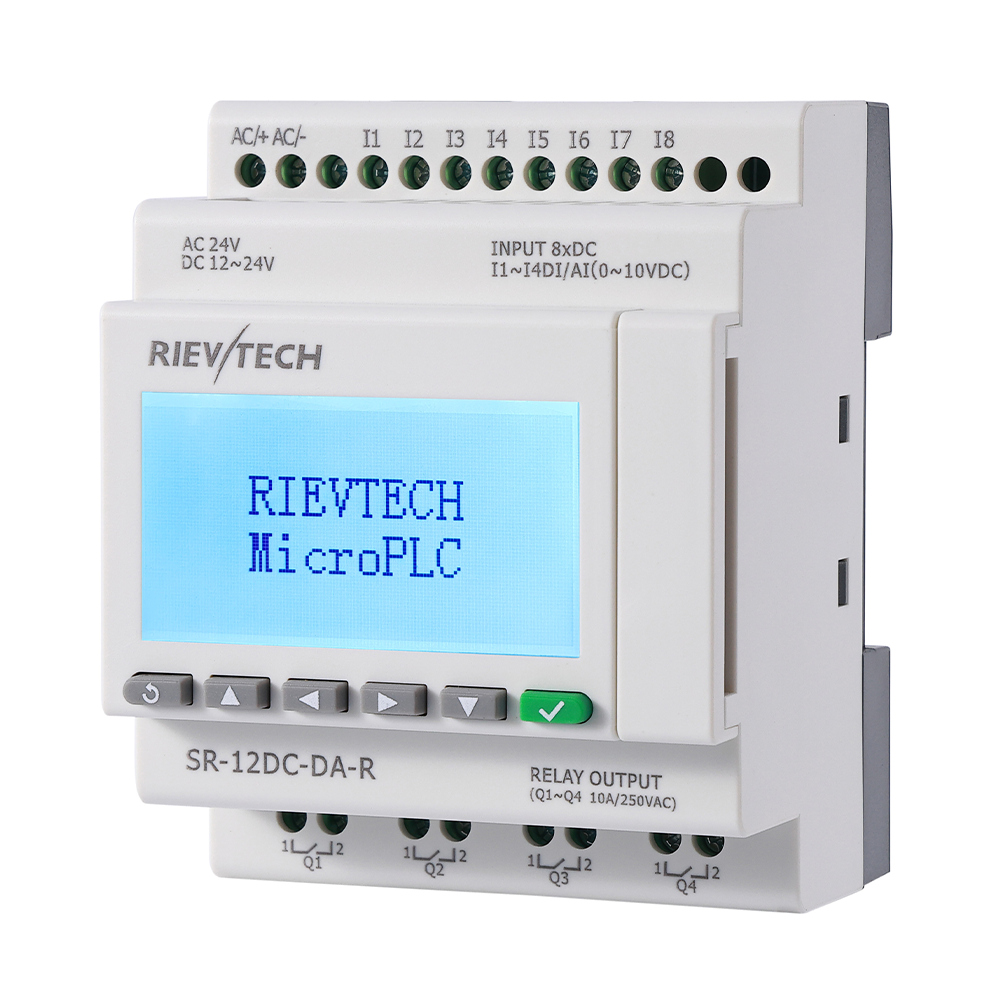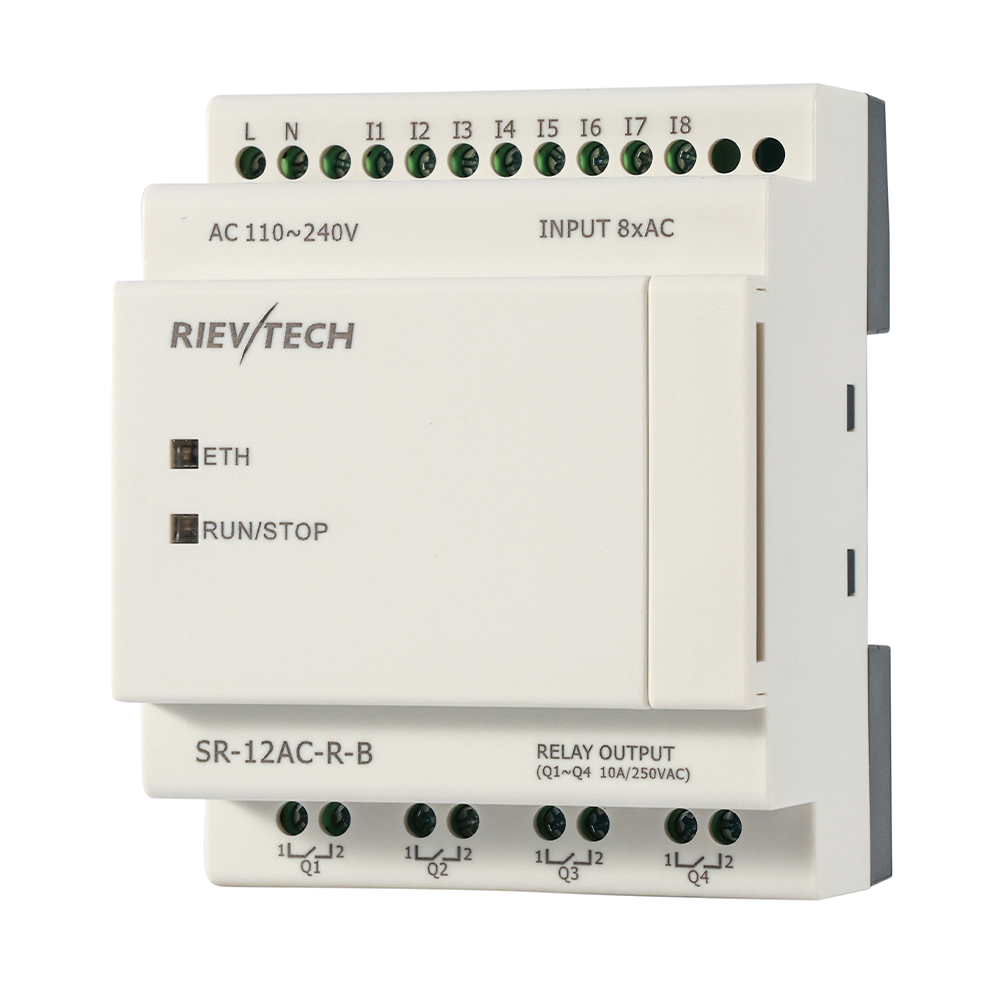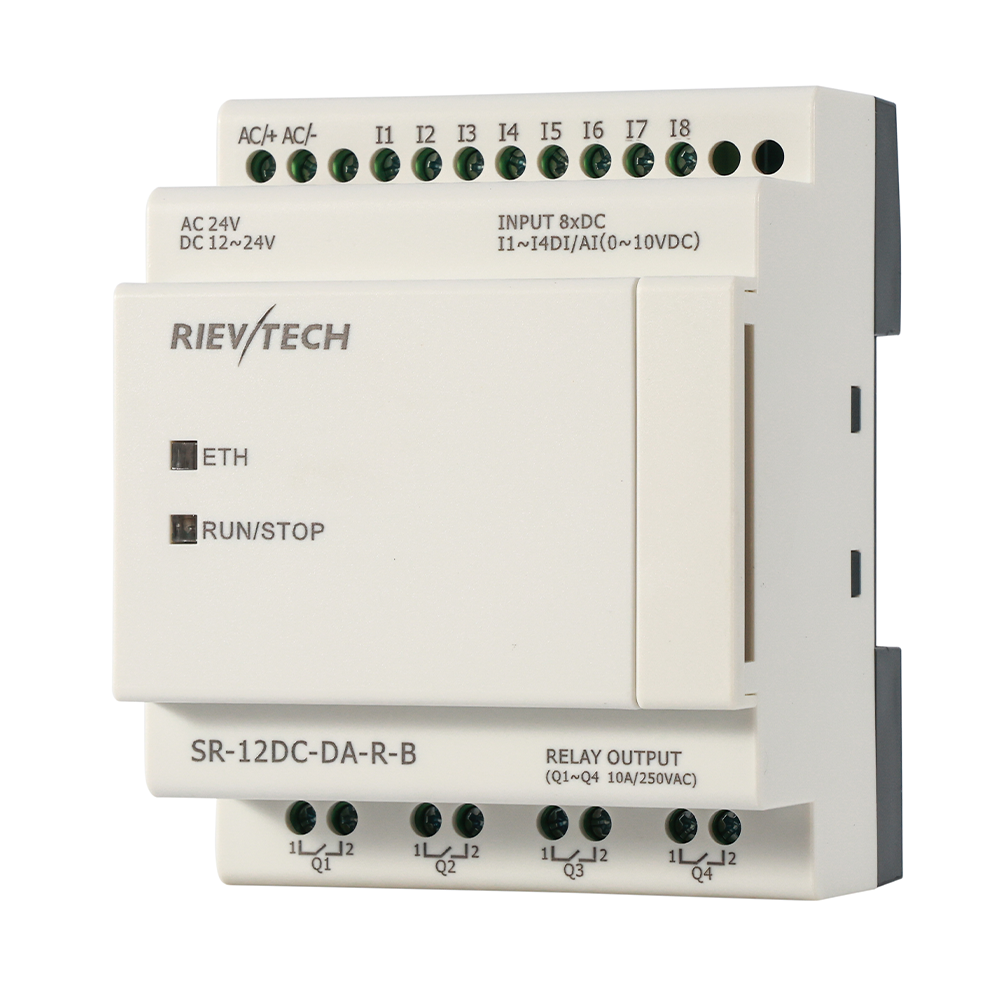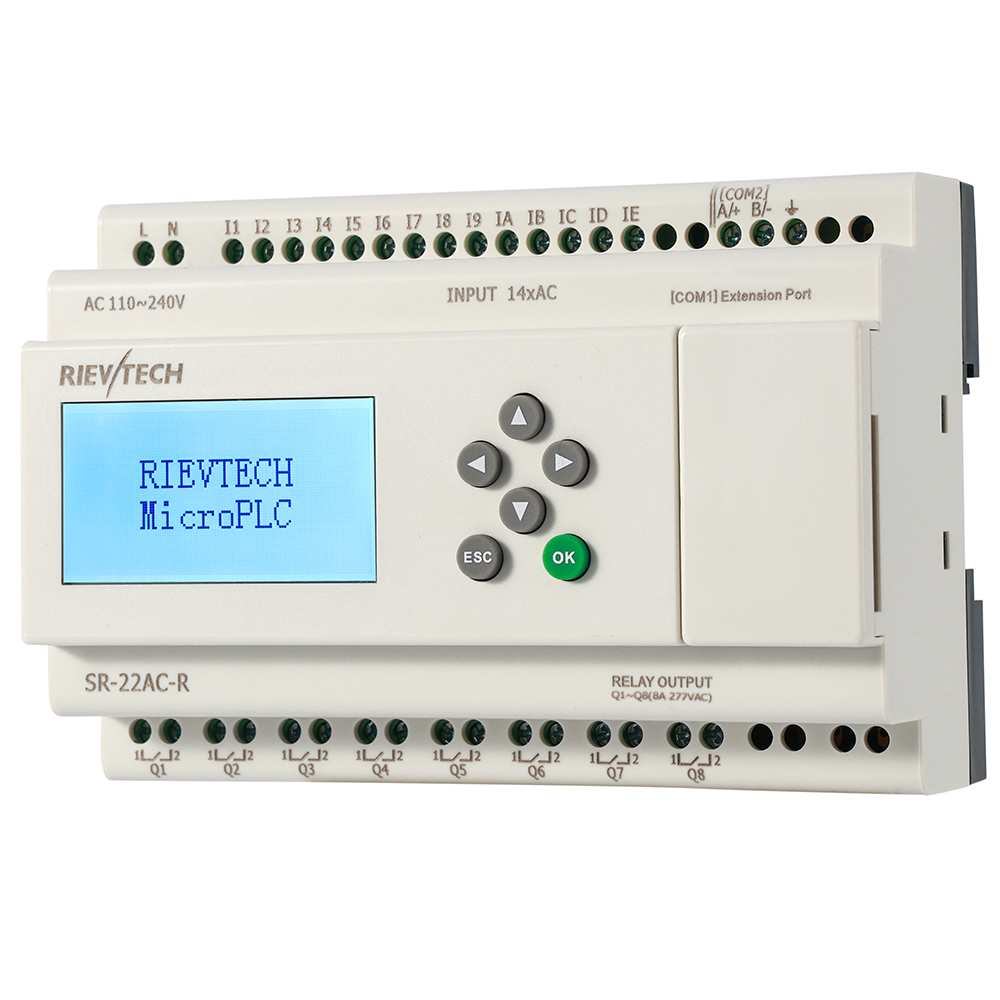
Somewhere in your panel a LOGO! 8 is doing a job a twenty-dollar relay could not, and the guy who specified it ten years ago has retired. The question is not whether to move off it. The question is what you actually give up — and what you get back — when you swap to a different compact controller family.
Full disclosure up front: Siemens built the LOGO! category, and thier ecosystem is mature. But mature also means expensive and locked. The alternative conversation deserves an honest comparison, not a feature-list fight.
The Part That Matters: Memory and Blocks
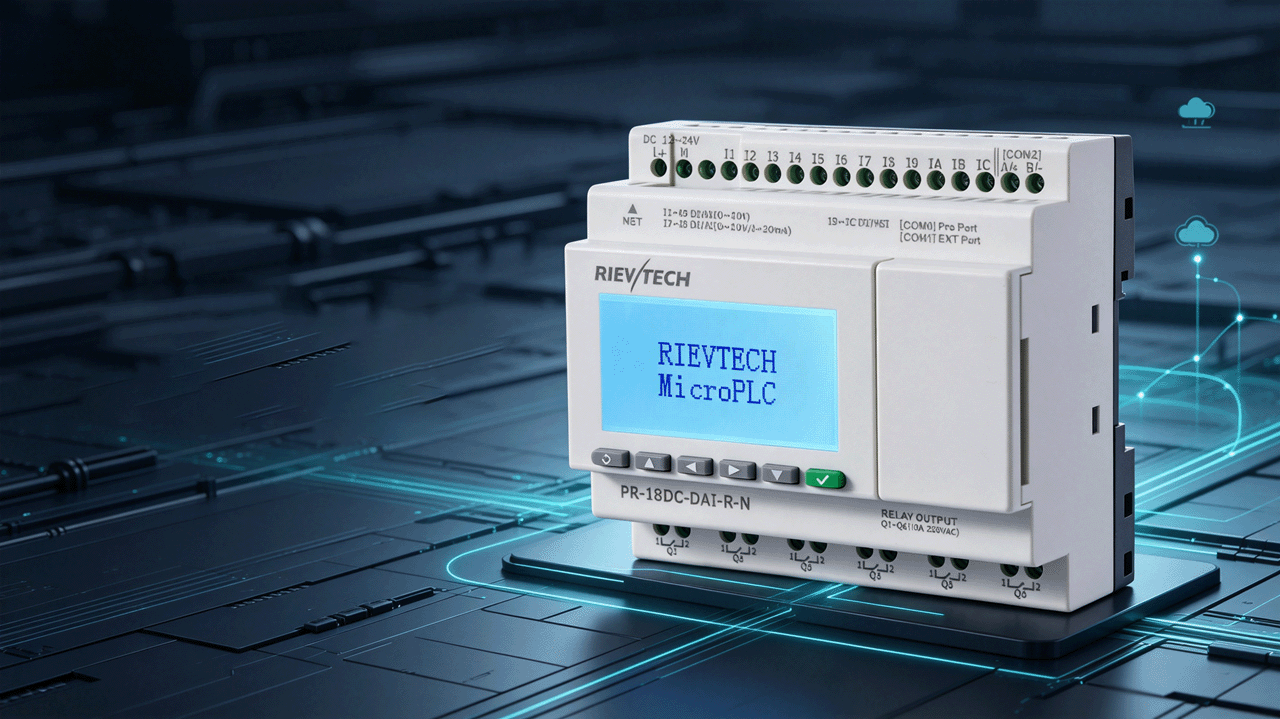
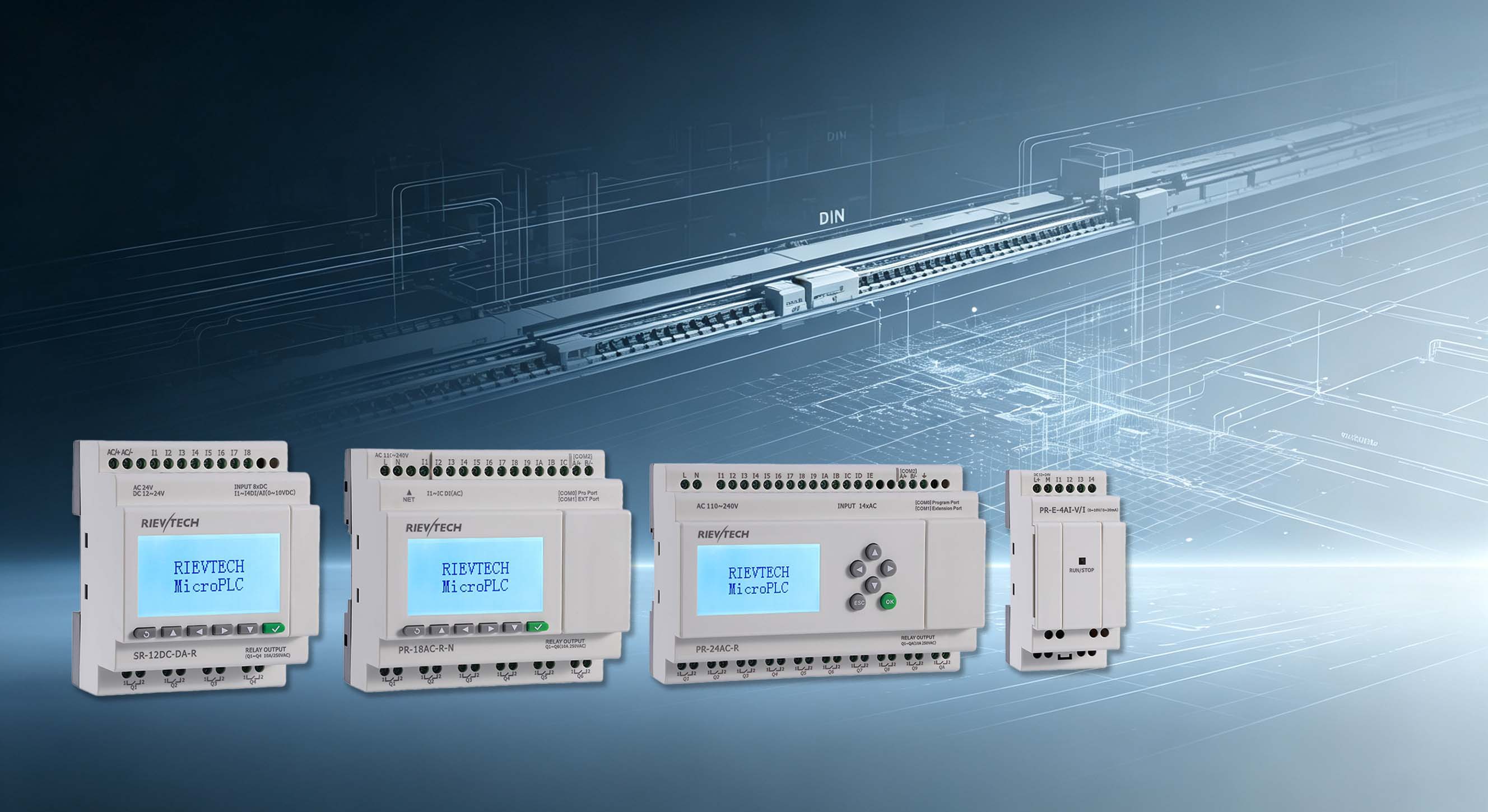
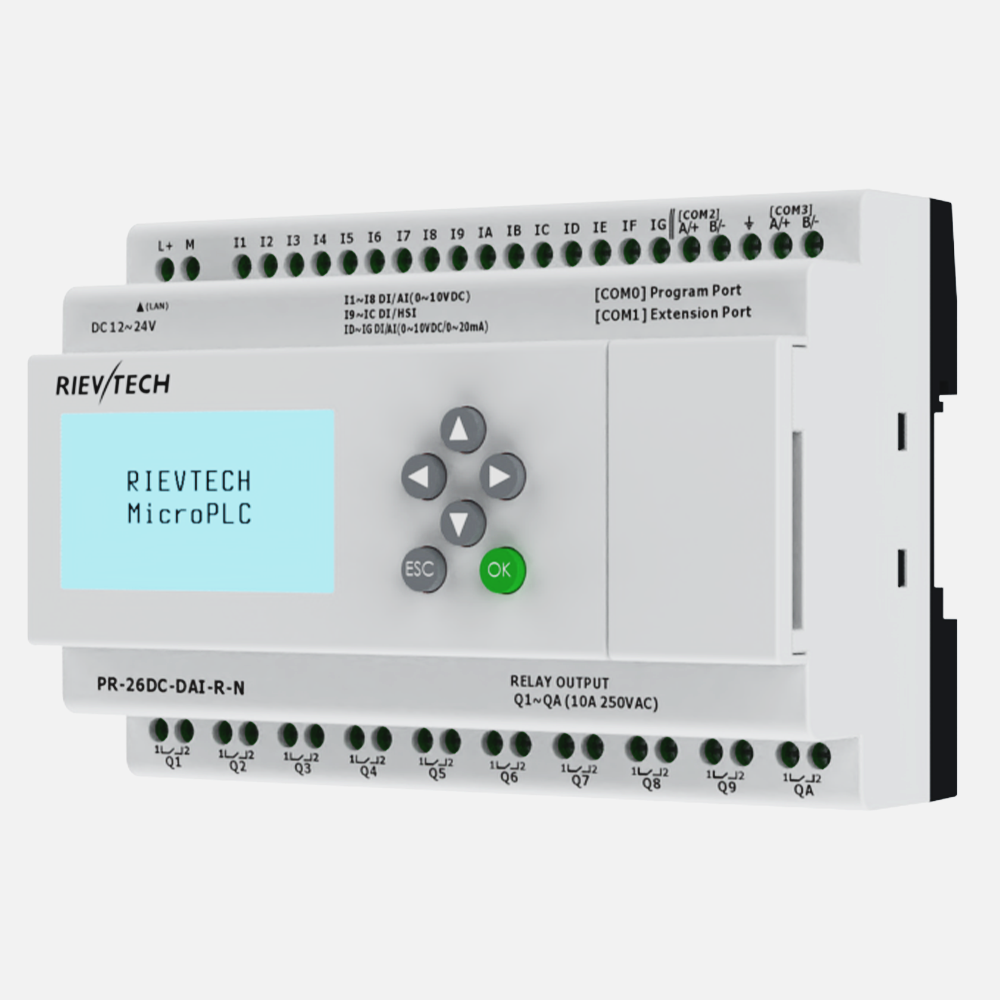
Here is the spec that decides everything, and it is the one nobody compares on the front page. The SR-12 and SR-22 run up to 512 function blocks on the latest firmware; the PR-12 and PR-14 carry 512 blocks, while the -N suffix models and the PR-18, PR-24 and PR-26 reach 1024 with 64K of program memory. A typical LOGO! 8 program — lighting schedule, pump sequence, alarm chain — fits comfortably in 256 blocks. The moment you add analog scaling, a PID loop, or heavy recipe logic, the headroom gap shows up fast.
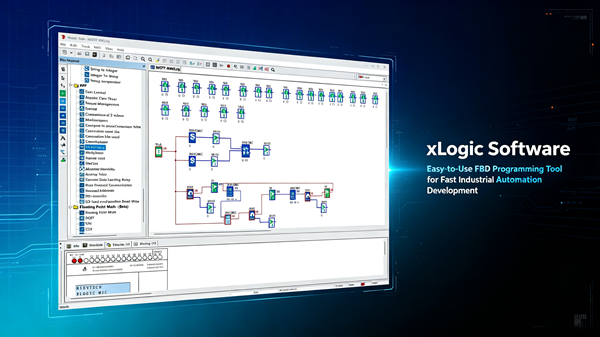
And the software? xLogicSoft is free. No dongle, no licence key, no "evaluation edition that cannot save." Install, connect with the isolated USB cable, and the project belongs to you.
What Changes When You Migrate
The painful part first: the program does not port over. LOGO!Soft Comfort projects are a different language — literally — and FBD blocks from one editor do not drop into the other. Plan a rewrite, budget the hours, and the migration is a clean cut rather than a slow bleed.
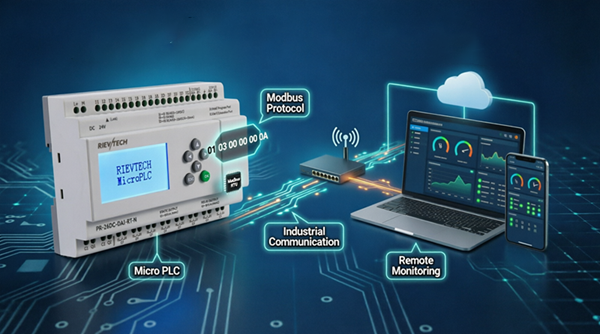
What you gain after the cut: Modbus RTU, ASCII and TCP, all standard. The LOGO! 8 offers Modbus TCP on the Ethernet models, but the RTU/ASCII coverage here is broad and the master/slave flexibility means the CPU talks to VFDs, energy meters and a SCADA on the same network without a gateway. For a small machine builder, that single paragraph is the whole business case.
Real Migration: Lighting and Gate Control
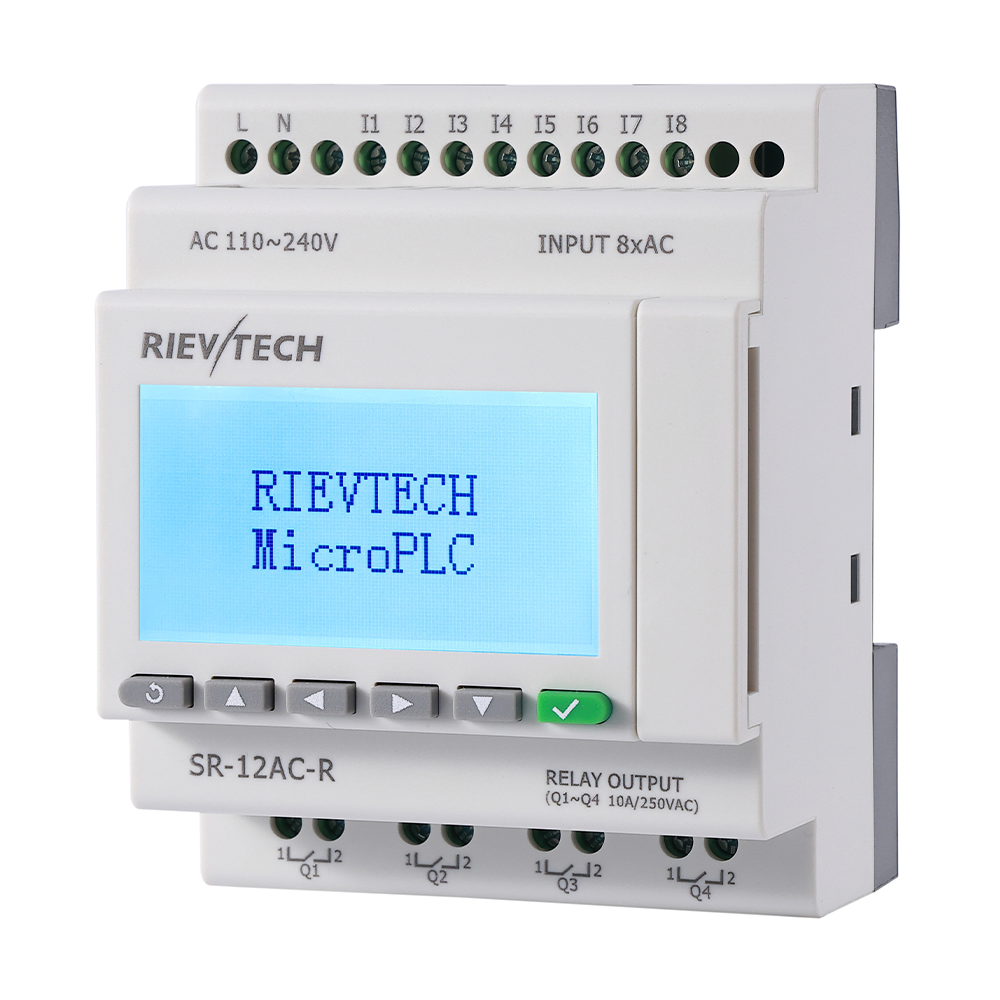
A logistics depot ran a LOGO! 8 on the yard lighting and gate sequence: 8 inputs, 4 outputs, a weekly schedule from the RTC, and a failure mode that required a laptop on site. The replacement SR-12 took the same I/O, the same schedule — the RTC here keeps its calendar for twenty days without power, wich the depot manager tested by pulling the mains and watching the clock survive the weekend.
Rewriting the program took a day. The customer then asked for something the old controller could not do: a Modbus link to the new energy meter, so the office could see consumption. That was an afternoon of block wiring, not a hardware upgrade.
Price, Spares and the Supply Chain
Honest comparison: at list price the alternatives are close for comparable I/O. The difference shows in the BOM details — expansion modules, the free software, the isolated cable that does not cost a second mortgage. And spares: one platform across SR and PR families means one programming environment, one cable type, one spare-part line instead of a shelf of dead-end modules.
That is the quiet economics of switching. Not the headline price. The shelf.
Who Should Stay, Who Should Move
Stay with LOGO! if your whole team programmes it daily, if the installed base is large, and if nobody is asking for new protocols. Moving makes sense when the next project needs Modbus depth, when licence costs are grinding you, or when the machine spec says "free programming software" and your price sheet needs the margin.
The Software Habit You Cannot Ignore
Let me be honest about the migration pain nobody puts in the brochure: your maintenance team knows LOGO!Soft Comfort. They have written programs in it for a decade, they have a folder of archived projects, and they can debug a failed rung in their sleep. Moving to a different editor means that institutional knowledge starts over.
That is a real cost. It is also a one-time cost, and it buys a permanent change in what the machine can do. The xLogicSoft editor keeps the FBD model that LOGO! users already think in — blocks, wires, inputs and outputs — so the migration is learning menus and block names, not relearning control logic. In my experience the first project takes twice as long as the old tool, and the third project takes half as long. The curve is steep but short.
Put the archive on the table: every project that has ever been written for the old platform. Classify them by logic family — schedules, sequences, interlocks, alarm chains — and notice how few distinct patterns there really are. Most shops find that eighty percent of their programs are variations of five or six patterns. Rebuild those patterns once in the new editor, and every future project becomes a copy-paste exercise with new I/O maps. That is how you eat the learning curve in a week instead of a quarter.
And train the electricians too, not just the engineers. The guy on the factory floor who can open the project and see which block is holding the machine up is worth his weight in downtime avoided. FBD is readable enough that this training is days, not weeks.
The Field Failure Data Nobody Collects
Here is a number I have never seen in a vendor comparison: how many of each controller model died in the field last year, and why. We collect this data on every service visit, and the pattern is boringly consistent. The failures are almost never the CPU. They are the power supply, the wiring, the relay that the controller replaced, and the environment — heat, dust, vibration.
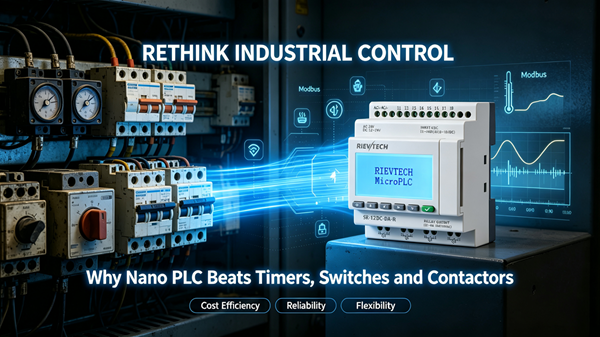
That means the real reliability question is not which brand fails less. It is which platform gives the electrician better diagnostics when something around it fails. A relay panel with a dead timer gives you nothing — no indication, no history, no clue. A controller with a status screen, a flag you can watch, and a datalog can tell you the supply dipped at 02:47, the input bounced twelve times, and the program tripped on the third bounce. That diagnostic visibility is worth more than any MTBF number on a datasheet, and it is the argument that wins the maintenance manager — not the engineer.
When the old controller fails, the spare is a discontinued module found on a surplus site for triple the original price. When this platform fails — and it will, eventually, like all electronics — the replacement is a current model, the program downloads from the archive, and the machine is back up in an hour. That is the supply-chain insurance the LOGO! user has been quietly missing.
Nobody got fired for buying Siemens. But nobody got a margin back from the licence line either. Choose with your calculator open, not your brand loyalty.